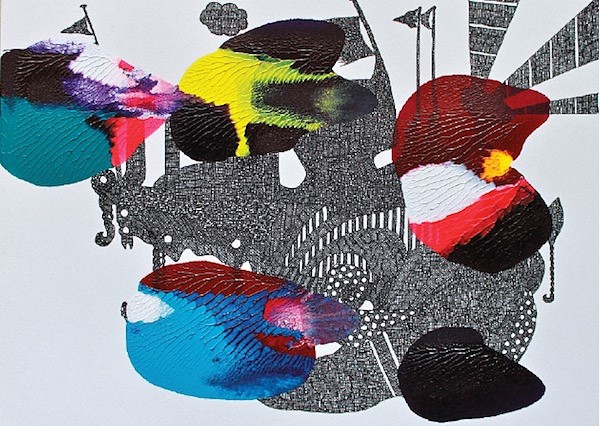
Morgan Veness Exit the Matrix 2026 (2) by morganveness October 14, 2026 Exit the Matrix 2026 (1) by morganveness October 14, 2026 About the Artist by morganveness February 24, 2026 The Phoenician Club 2025 by morganveness February 13, 2026 Exit the Matrix 2025 by morganveness February 9, 2026 Planing Patterns 2025 by morganveness September 17, 2025 Chaos out of Order 2025 by morganveness September 3, 2025 Mr Shinto’s Data Sparks 2025 by morganveness January 31, 2025 Facing Nimitta 2024 by morganveness December 10, 2024 Assembling the Terrain 2023 by morganveness September 10, 2024 Feudal Forms 2024 by morganveness September 4, 2024 Inventory 2023 by morganveness January 16, 2024 A Pattern of Extinction 2019 by morganveness June 28, 2023 Patchwork Archetype 2023 by morganveness June 28, 2023 Boom, Boom, Treasure Hunters 2010 by morganveness June 28, 2023 Share this: Share on X (Opens in new window) X Share on Facebook (Opens in new window) Facebook