
“The late 13th century paintings were whitewashed following a mid 15th-century fire at the cathedral and subsequently boxed behind woodwork by 1786, which protected them from iconoclasts and vandalization during the French Revolution. In 1980, they were found by a priest who had been using the small area for storage. Though French experts restored the work, they had previously only been recorded in partial black and white images.“1
Like a site itself and just as daunting in its disrepair (burdened by a 345-page heritage conservation management plan) it was transformed over a little more than a decade. Patch of Earth became both the name and the narrative: a restoration not only of structure, but of memory, gesture, and place.
Drawing, painting, sculpture, and installation converged. The site was replumbed and rewired; rotting timbers were replaced; and stone foundations, some of which had settled nearly 40 centimetres, were slowly realigned. What would have taken 160 years of maintenance was condensed into twelve intense months—a metaphor for the compression of time and effort present in the works themselves.
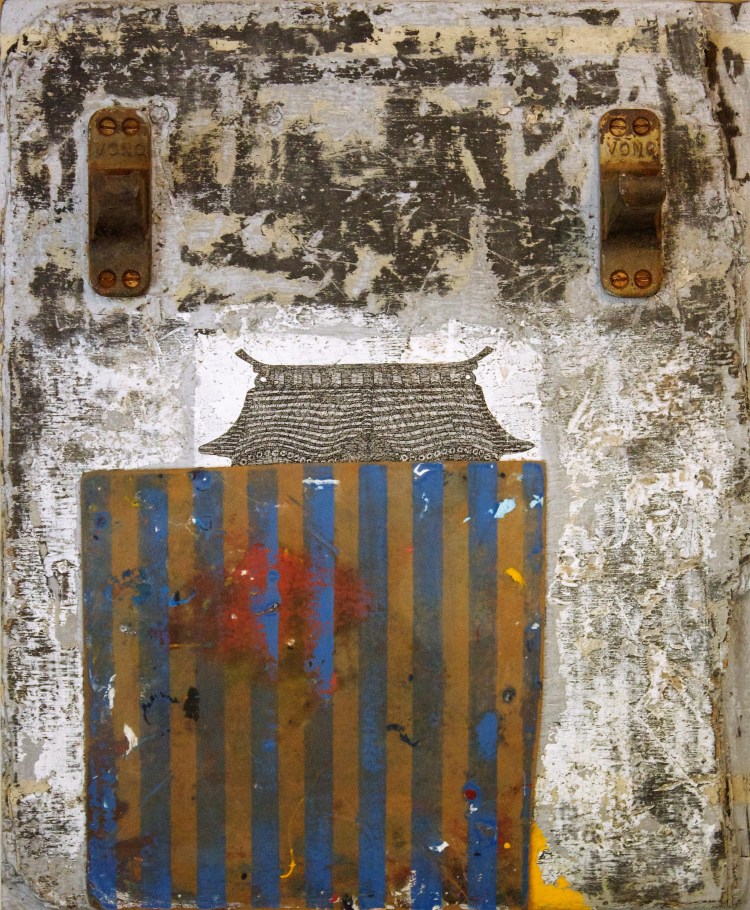
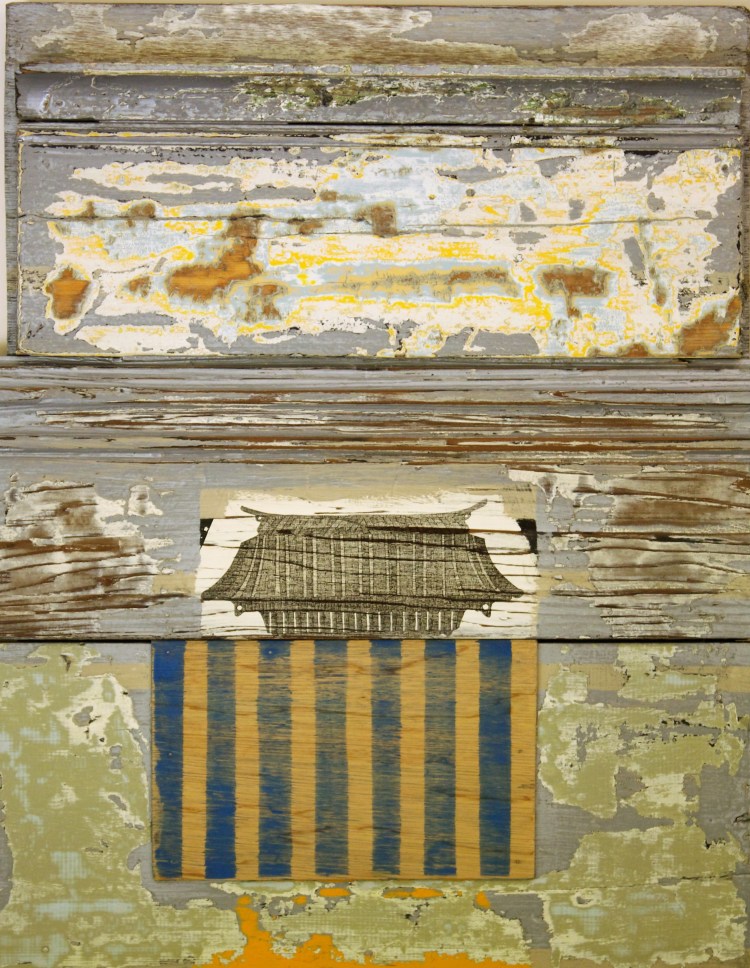
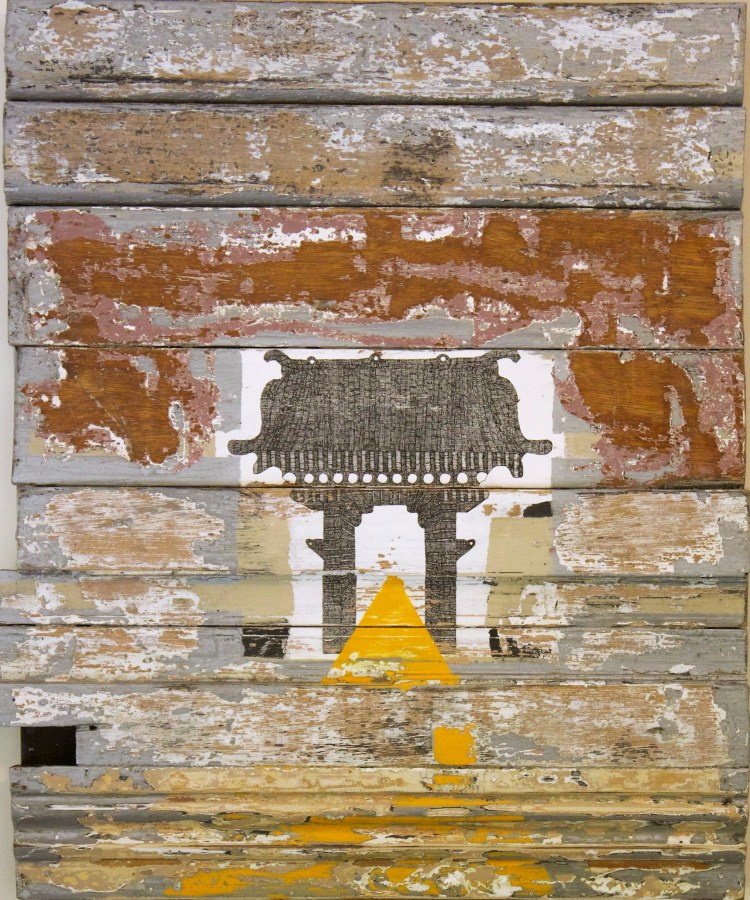
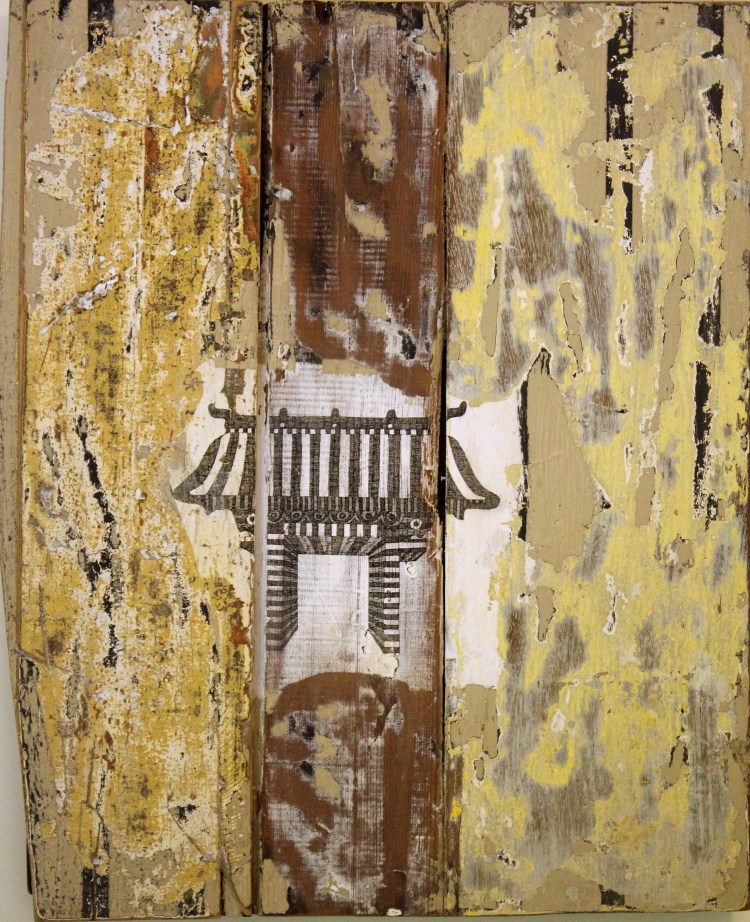
Inspired by the quiet endurance of weatherboard houses—structures altered gradually by time, chance, and weather—I developed a surface language using reclaimed house paint on plaster-like grounds. The density of these surfaces gives weight to the seemingly minor moments they depict, anchoring fleeting impressions in tactile form. Their ability to be incised, scored, and carved mimics the action of erosion, of memory etched into place. They speak of what has been broken or displaced, found or forgotten, and reflect an ongoing desire to rescue and re-purpose—not only materials, but methods and meaning.
A Patch of Earth 2013 – 2019 is not a restoration that aims to polish or perfect. It embraces the mellow patina of age, the marks of wear, the evidence of time. Layering, erasing, and repeating become gestures of the everyday—traces of living, of trying, of starting again. In the end, the works offer a quiet meditation not on resolution as perfection, but on the grace of what can be mended without having to be made new.


 morgan veness