
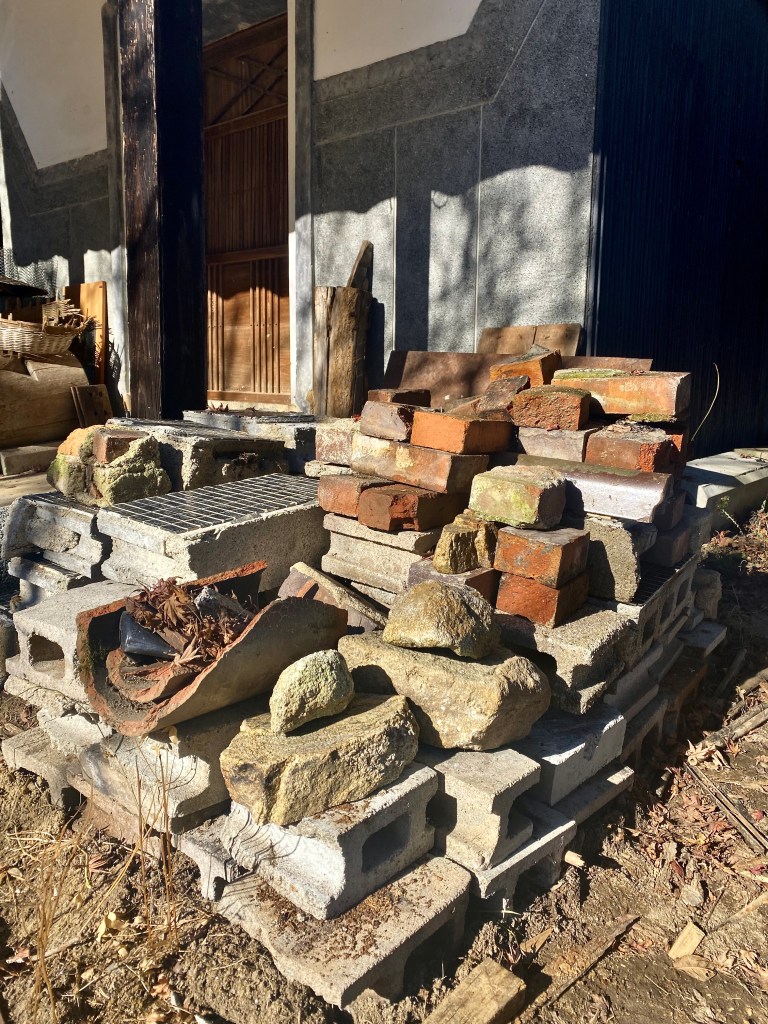


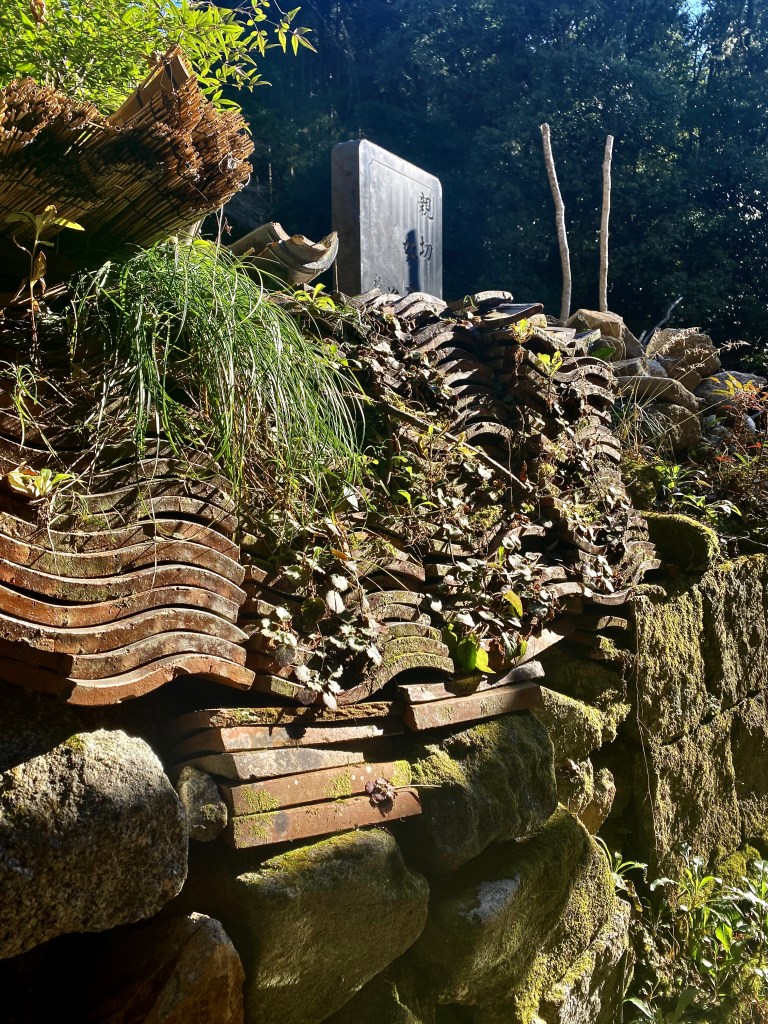


Mr Shinto’s Data Sparks, 2025 unfolds as a contemplative dialogue between past and present, between the role of collector and the gesture of creation. These works are not simply assemblages, but chimed reflections – resonant compositions that echo the ethos of Mr Jizolark’s Concrete Data, who “considers objects, reclaims and displays them but remains free of any attachment to them.” In contrast, Mr Shinto’s Data Sparks are imbued with reverence. They emerge as mountain-like arrangements – object constellations curated with a quiet sense of gratitude, acknowledging the lineage of use, the traces of human hand, and the spirit-life believed to dwell within or around them.
There is a ritualistic undercurrent that runs through this practice. The act of gathering, arranging, and offering becomes a sacred gesture – an act of devotion not only to the material world, but to the unseen forces and forgotten caretakers who once shared in its utility. In this way, the work becomes a form of animistic tribute, a celebration of the residual energy embedded in things. Each object, whether mundane or storied, carries an impression: of function, of place, of time, of touch.
The installations are neither symmetrical nor chaotic—they resist categorization. Instead, they exist in a kind of heterogenous matrix, a living network of association and affect. Their organization is intuitive, shaped by resonance rather than logic. There is no fixed hierarchy, only a layering of relations that speak through proximity, weight, texture, and pause. These are not diagrams or collections; they are offerings – temporary altars to impermanence and interconnection.
Beneath the surface lies a meditation on value and retention. What does it mean to appreciate something? How do we measure the worth of a thing no longer used, or of a gesture once made? The works do not offer answers but invite the viewer to reflect inwardly. Appreciation, here, is an internal phenomenon – a quiet pulse that registers not in metrics, but in memory. What remains with us after the encounter? What do we carry forward? What sparks?
Mr Shinto’s Data Sparks calls us to slow down and witness. To feel the weight of small things. To acknowledge the presence of what has been passed down, worn down, or left behind. In doing so, the work becomes not only an act of creation but of listening – an attunement to the subtle data of spirit, time, and material, coalescing in forms that are as much poetic as they are physical.
 morgan veness