
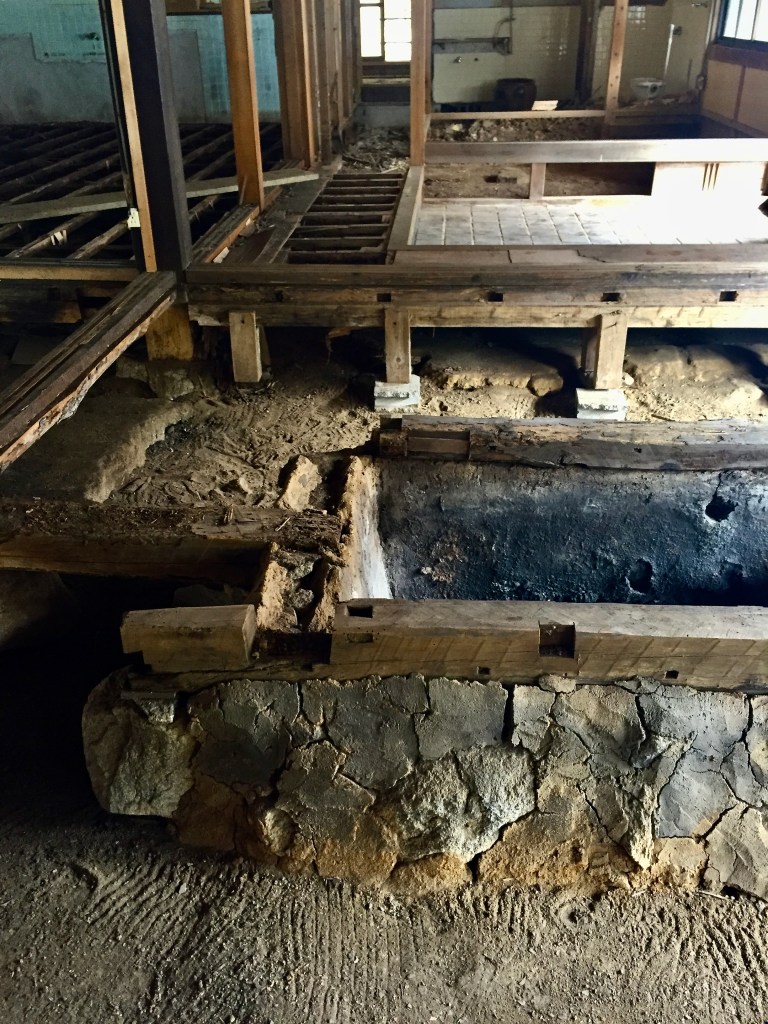
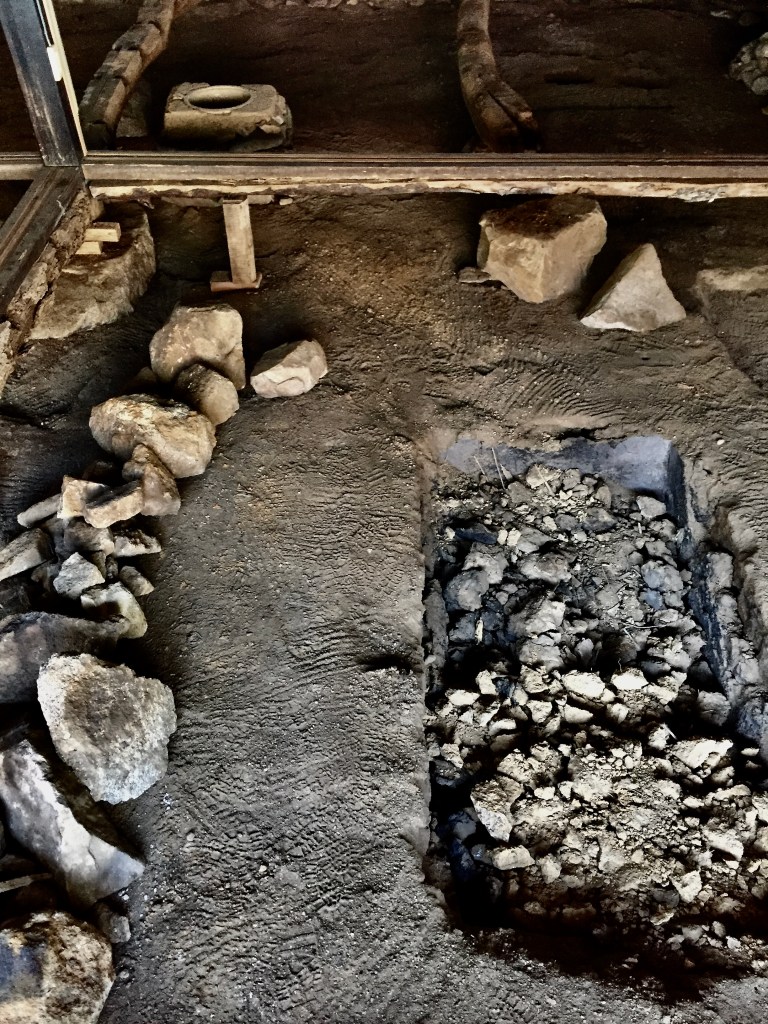
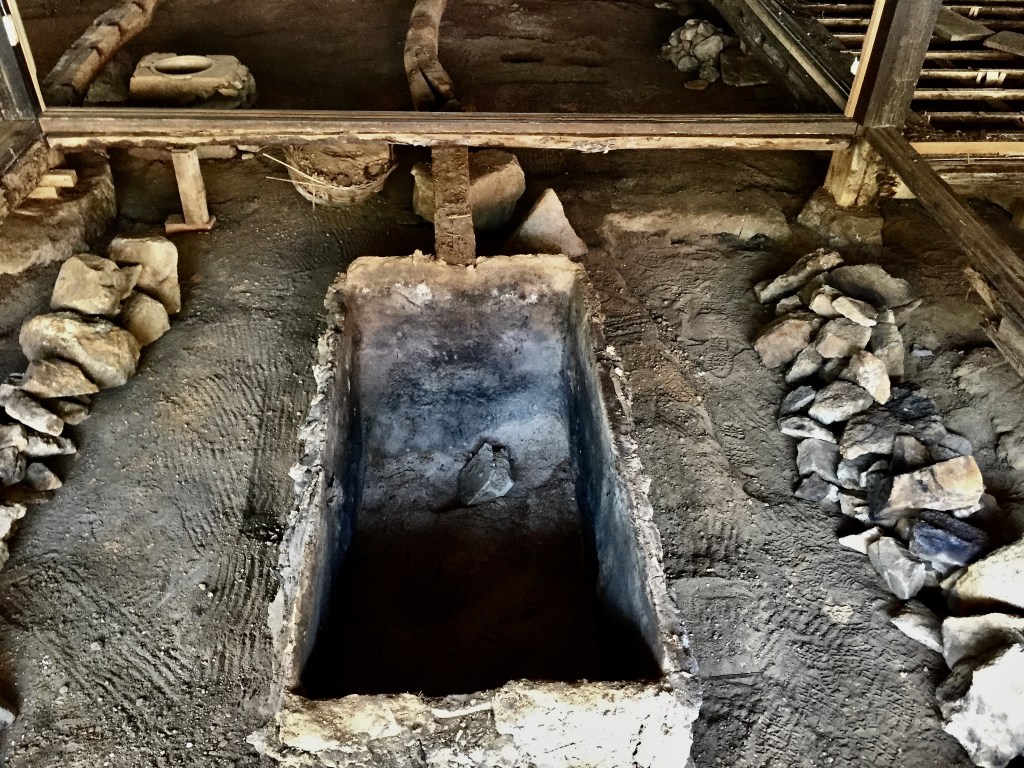
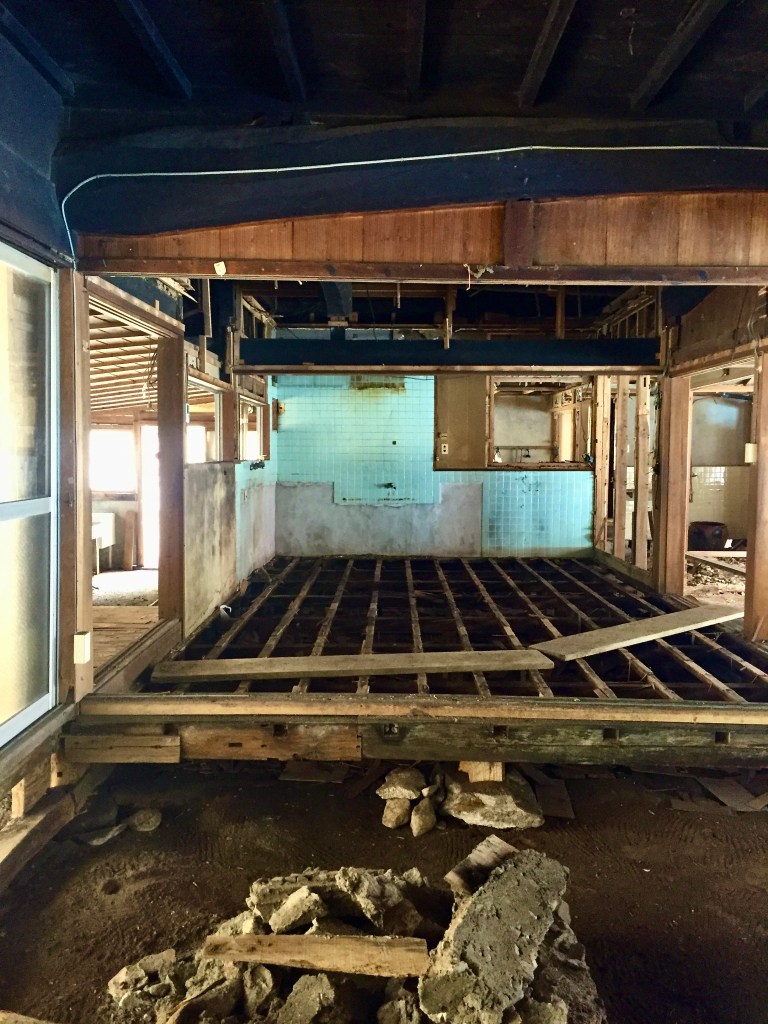
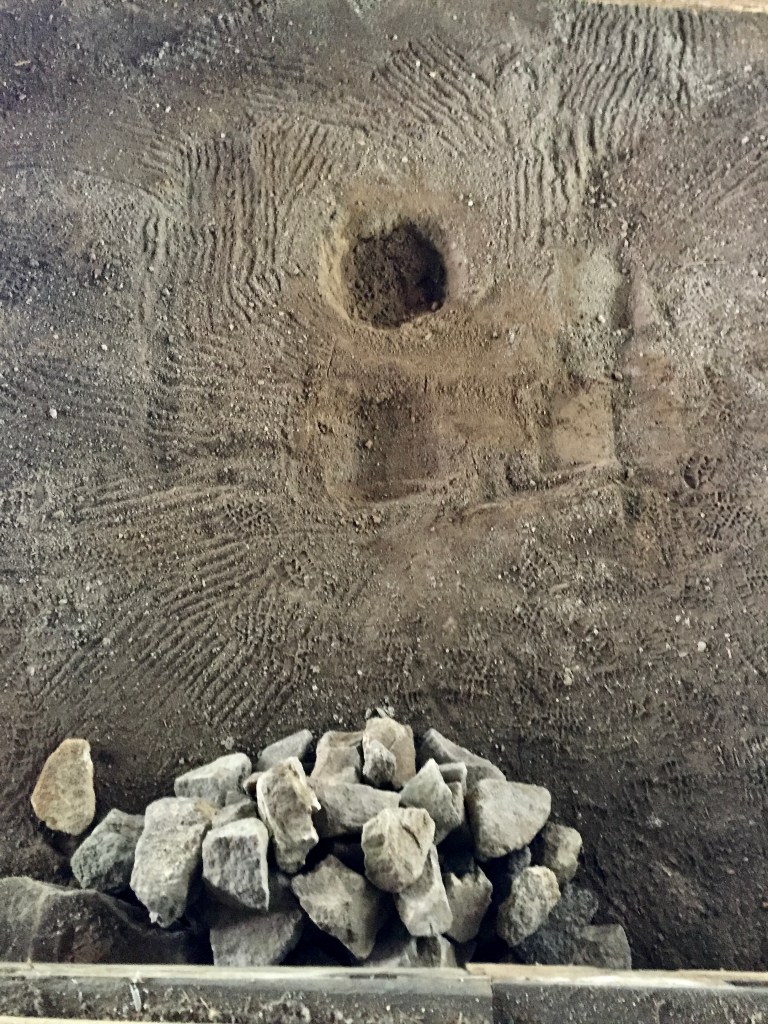
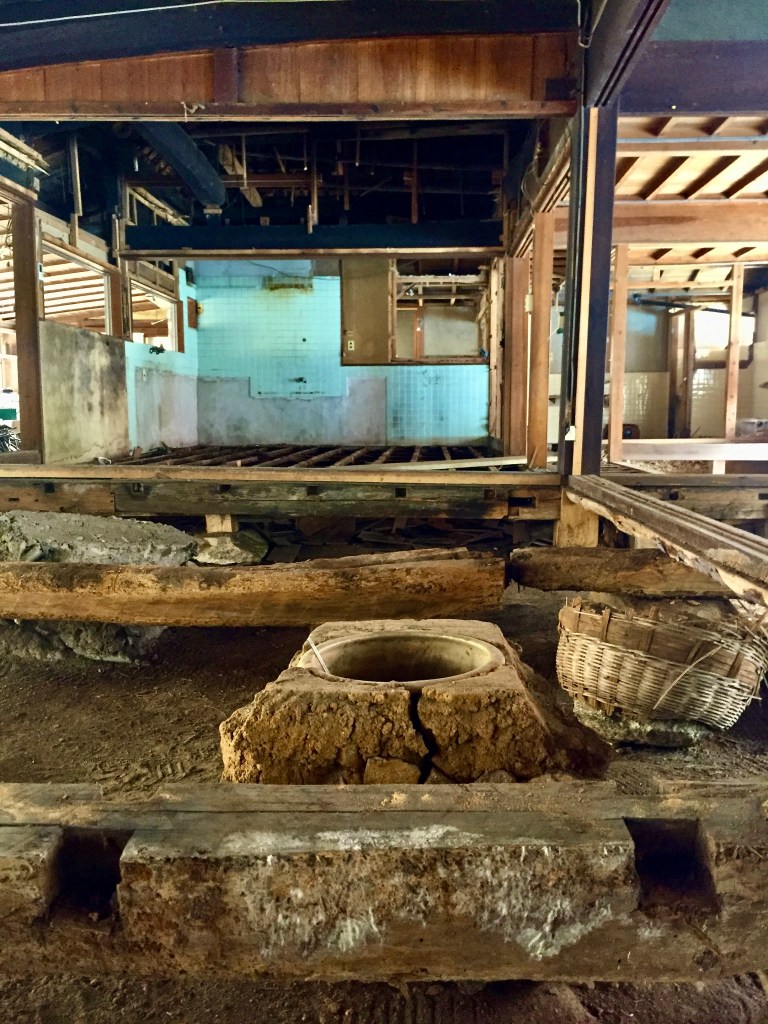
Feudal Forms 2024 presents a series of earthworks that excavate and recontextualize architectural remnants from Japan’s pre-industrial and transitional periods, all situated within the cultivated landscape of a country estate. These works engage directly with the tension between historical presence and artistic intervention, tracing a gradual process of erosion and transformation. As elements are unearthed, partially preserved, or intentionally obscured, a quiet narrative of disappearance emerges—one that reflects both the fragility and resilience of material history.
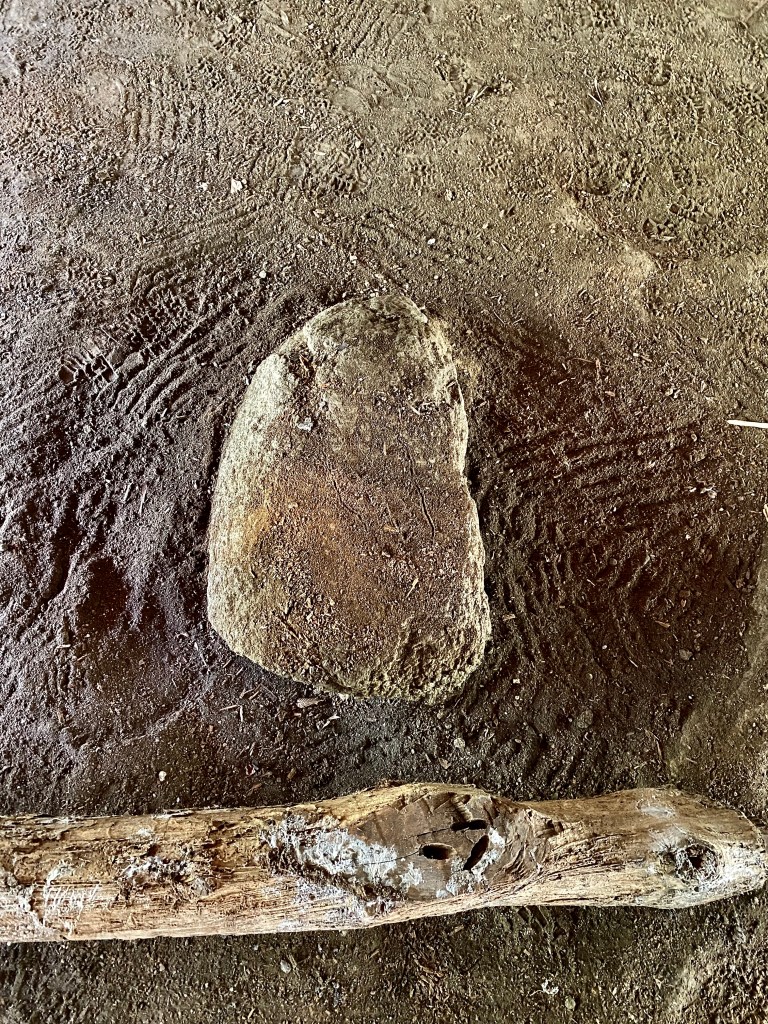
The integrity of each piece lies not only in the act of preservation but also in the embrace of deterioration. Through careful excavation and exposure, the works foreground the tactile qualities of wood, stone, and soil—materials once functional, now vestigial. What remains is neither fully artifact nor fully artwork, but a hybrid imprint shaped by time, intention, and decay.
At the heart of this project lies a meditation on debris—its fragmentary forms, contested value, and latent potential. By excavating layers of soil, stone, and memory, Feudal Forms 2024 invites us to confront what is discarded and what endures. In this tension—between destruction and restoration, past and present—each earthwork gestures toward a new beginning, suggesting that out of decay can emerge a reimagined landscape—and a renewed dialogue with history. By attending to the debris—its form, its absence, its ambiguity—Feudal Forms questions the value we place on cultural residue. It invites reflection on how ruination itself might serve as a site of origin, where endings become propositions for renewal.





 morgan veness